


Powerful enough for complex comp. Simple enough to run yourself.


Why teams choose Visdum over the alternatives

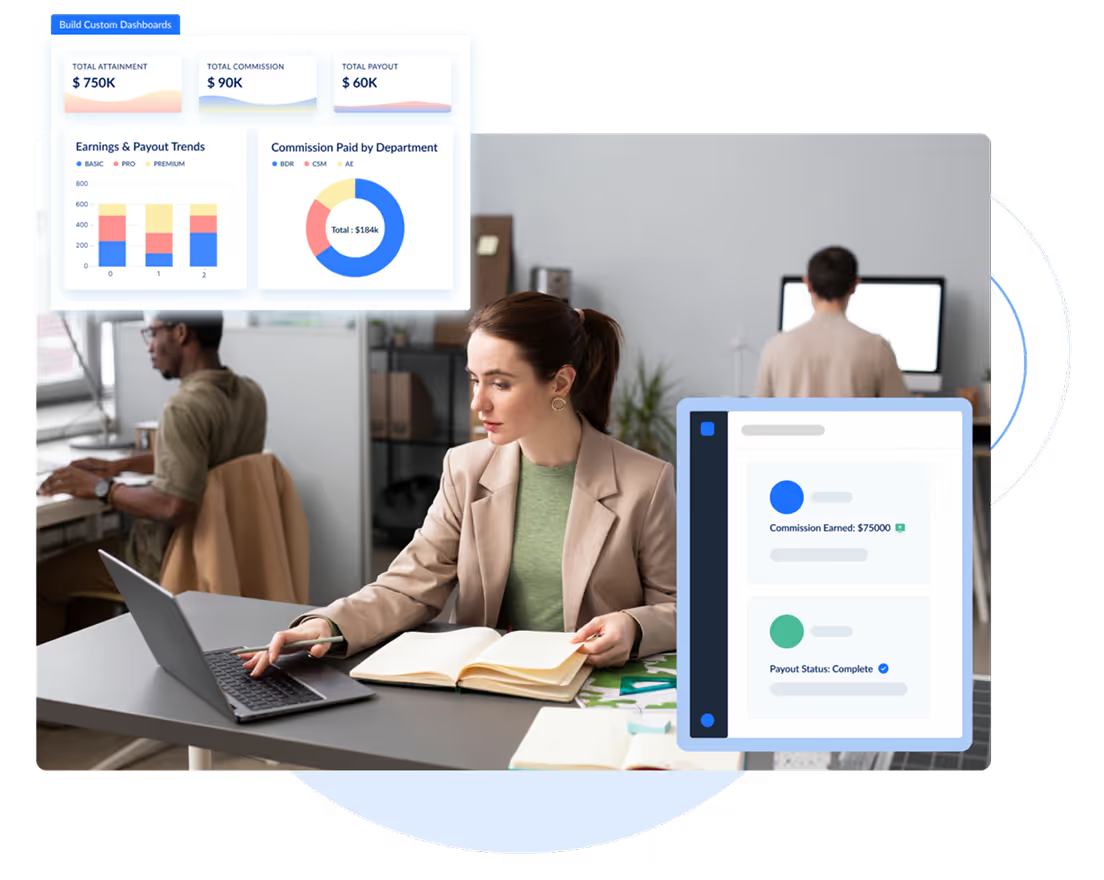
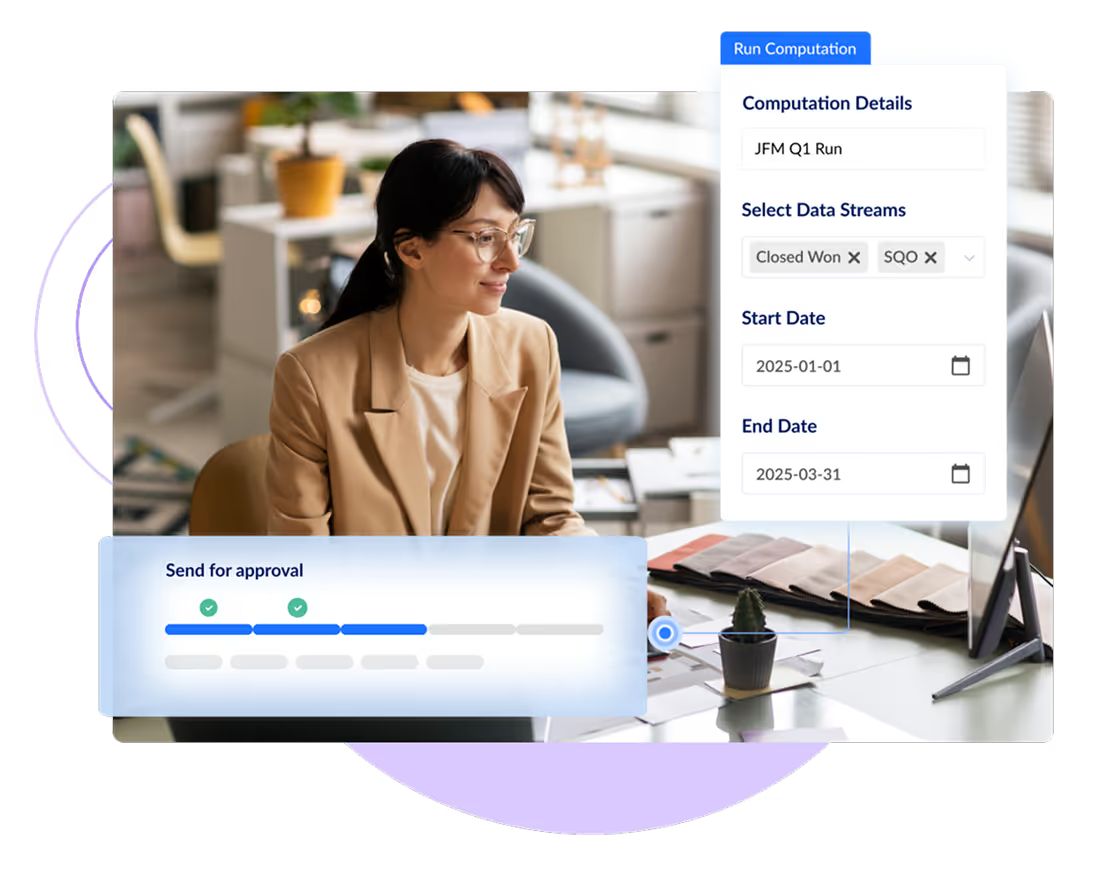
Finance runs it without calling IT

Live before your next payout cycle

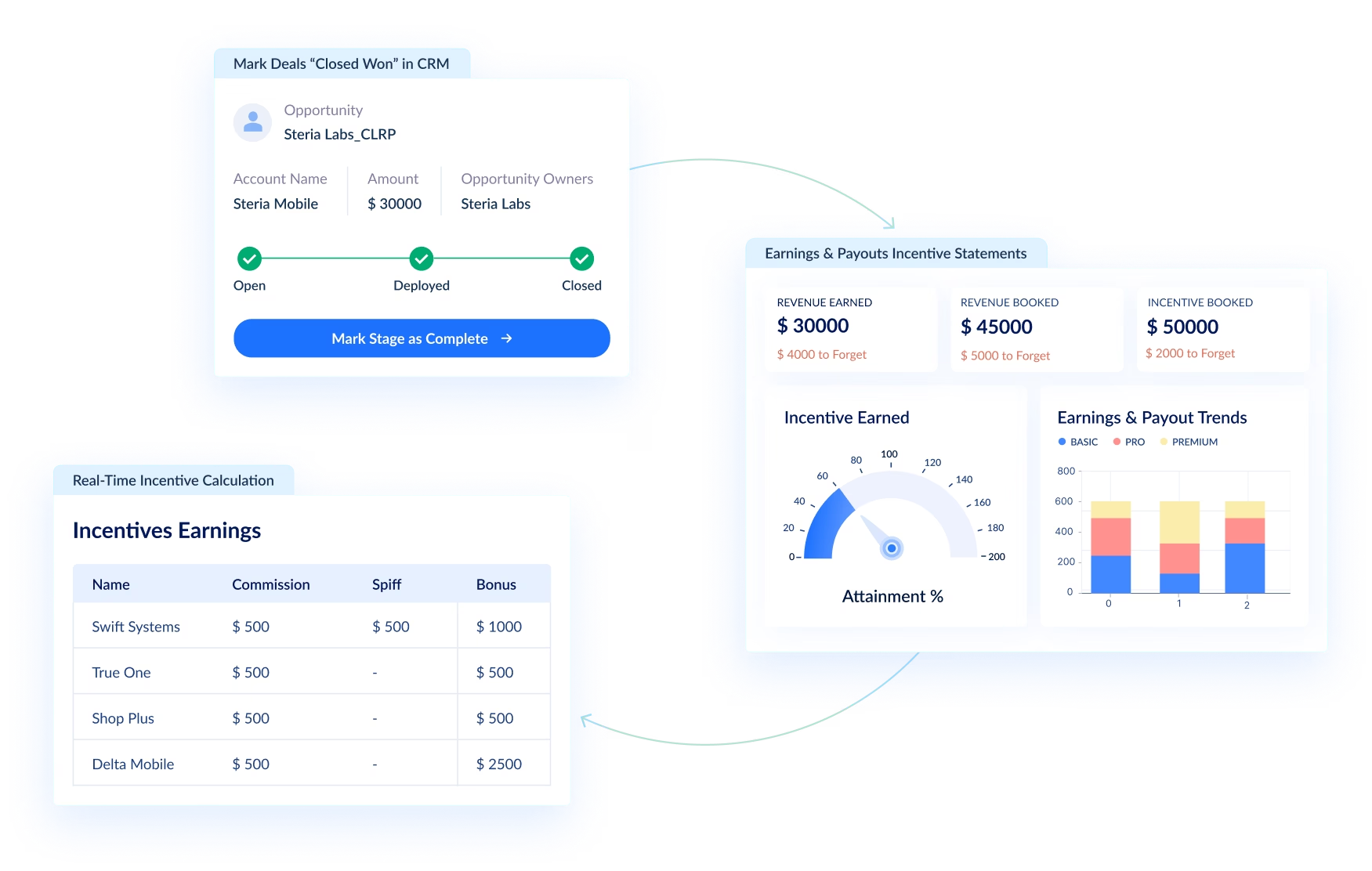
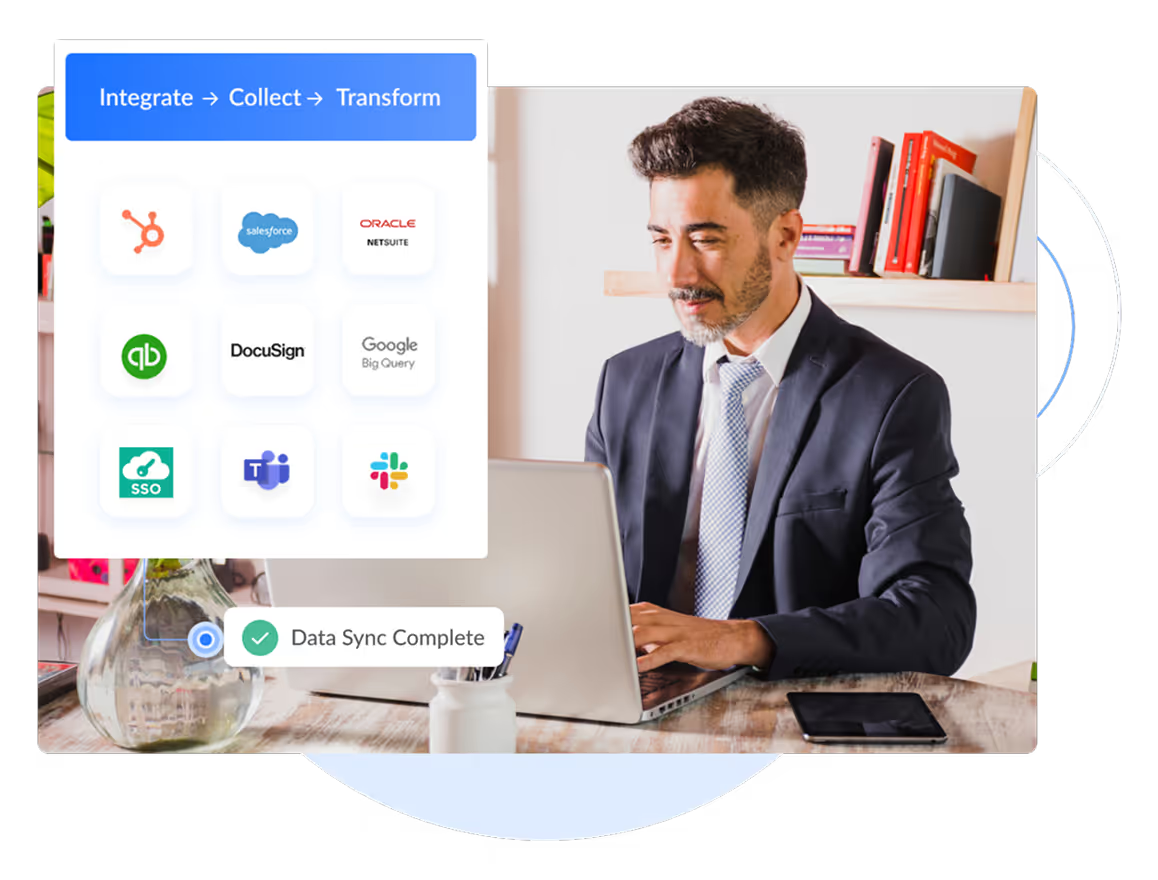
Your CRM, ERP, and HRIS, synced in real time

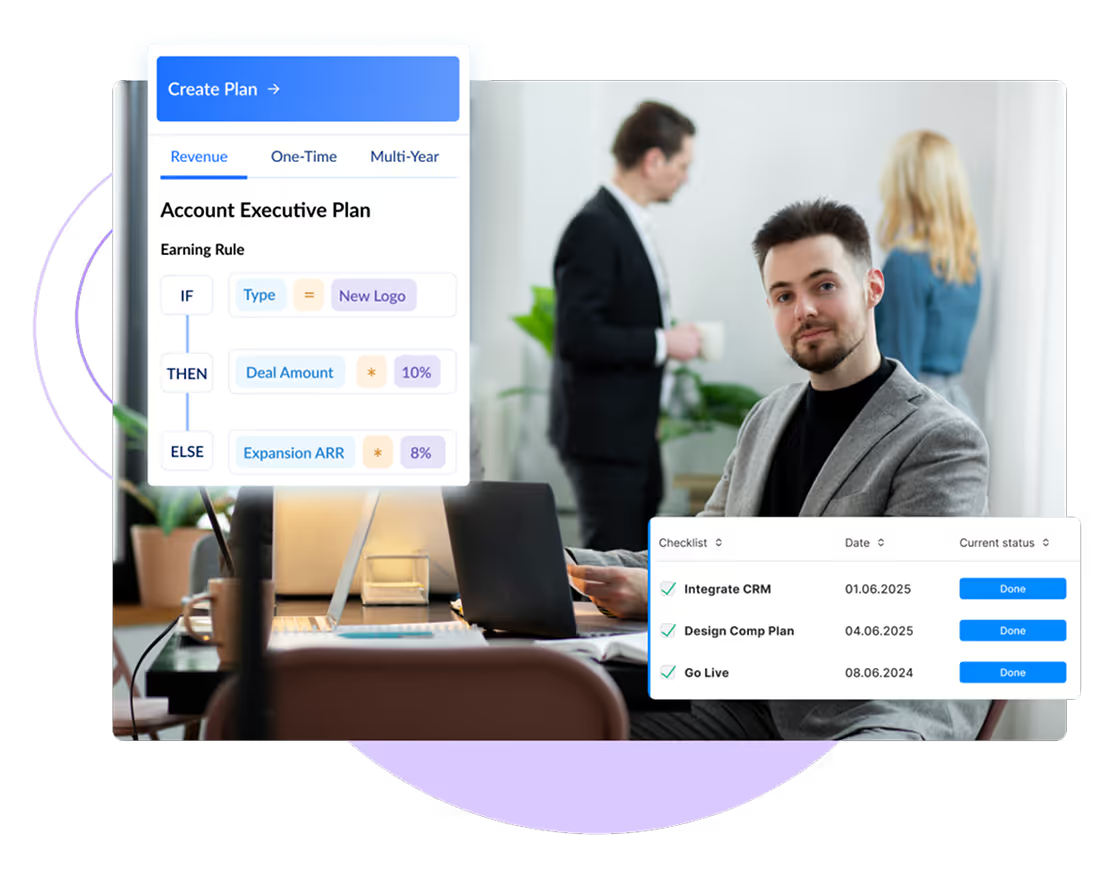
Change comp plans as fast as your business changes
How WebEngage shifted from spreadsheets to sales compensation automation

How Subex adopted Sales Compensation Automation to align with their evolving business needs

How Hubilo automated sales compensation to align with their dynamic business needs


The numbers behind the choice
20,000+
13+
$1.5B+
9.6
Built To Integrate


Frequently asked questions
What makes Visdum different from Spiff, Xactly, and CaptivateIQ?
Each platform fits a different segment. Salesforce Spiff is Salesforce-native and best for teams committed to the Salesforce ecosystem. Xactly serves large enterprises with dedicated comp ops teams and 12-week-plus implementations. CaptivateIQ uses a formula-based plan builder that's powerful but requires technical setup. Visdum is built for mid-market and enterprise SaaS finance and RevOps teams that need an easy-to-use, robust, CRM-agnostic platform deployable in 2 to 3 weeks, with native ASC 606 and finance-grade audit controls.
Why do mid-market SaaS teams choose Visdum?
Mid-market SaaS teams typically have 50 to 300 reps, multi-region operations, complex comp plans, and finance teams that need audit-ready data without engineering involvement. Teams in this band find traditional ICM tools either too expensive (Xactly, CaptivateIQ) or too lightweight (QuotaPath). Visdum delivers enterprise-grade calculation depth, real-time CRM sync, and ASC 606 amortization at mid-market pricing, with a no-code plan builder that finance teams can use directly.
Is Visdum better than building commission management in-house?
In-house commission systems typically take 3 to 6 months to build, require ongoing engineering support, and become brittle when comp plans change. Most teams that build in-house migrate to a platform within 18 to 24 months. The cost equation breaks down quickly: a 100-rep team paying for Visdum is replacing 2 to 3 finance hours per rep per month, ASC 606 compliance work, and dispute resolution overhead. The math favors buying above 30 reps.
When should we move from spreadsheets to Visdum?
Three signals indicate it's time. First: when the comp plan logic includes tiers, accelerators, or clawbacks. Second: when the team size crosses 30 to 50 reps. Third: when finance needs audit-ready calculations for ASC 606. Most teams realize they've outgrown spreadsheets when month-end close starts slipping, or rep disputes consume CSM time. The transition from spreadsheets to Visdum typically takes 2 to 3 weeks from contract to first automated payout cycle, with no historical data loss.
What kind of companies use Visdum?
Visdum's customer base is mid-market and enterprise SaaS, fintech, and B2B services companies, typically 50 to 2,000 employees with sales teams of 30 to 500-plus reps. Named customers include Sirion, Hubilo, WebEngage, FarEye, Subex, Multiplier, and Cyble. The common pattern is recurring revenue businesses with multi-tier comp plans, multi-region GTM operations, and finance teams that need ASC 606-compliant amortization.
How secure and compliant is Visdum?
Visdum is SOC 2 Type II certified, GDPR compliant, and supports SSO through Okta, Google, OneLogin, and other major identity providers. The platform is built for finance-team requirements, with full audit trails at the deal level, role-based access controls, and configurable approval workflows. Commission data stays encrypted in transit and at rest. Trust and security documentation is available in the Visdum Trust Center for buyers running formal vendor security reviews.
What does the buying process look like from first demo to going live?
Most Visdum deployments follow a four-step path. First, a 20-minute discovery call to understand your comp plan complexity and integration needs. Second, a custom POC where your actual plan logic is configured in the platform using your sample deal data. Third, contract and procurement are typically completed in 2 to 3 weeks. Fourth, implementation: integration setup, data migration, and team training, with most teams running their first automated commission cycle within 2 to 3 weeks of kickoff.